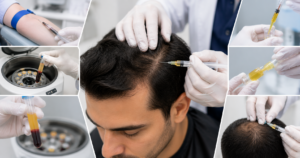
Hair loss affects confidence, appearance, and emotional well being for many people. With increasing awareness and advanced techniques, hair transplant has become a popular solution. Still, many patients ask an important question before making a decision: Is hair transplant good or bad?
The answer is not black and white. A hair transplant can be very effective for the right candidate when done correctly, but it may not be suitable for everyone. This article explains the medical reality behind hair transplant procedures so you can make an informed decision.
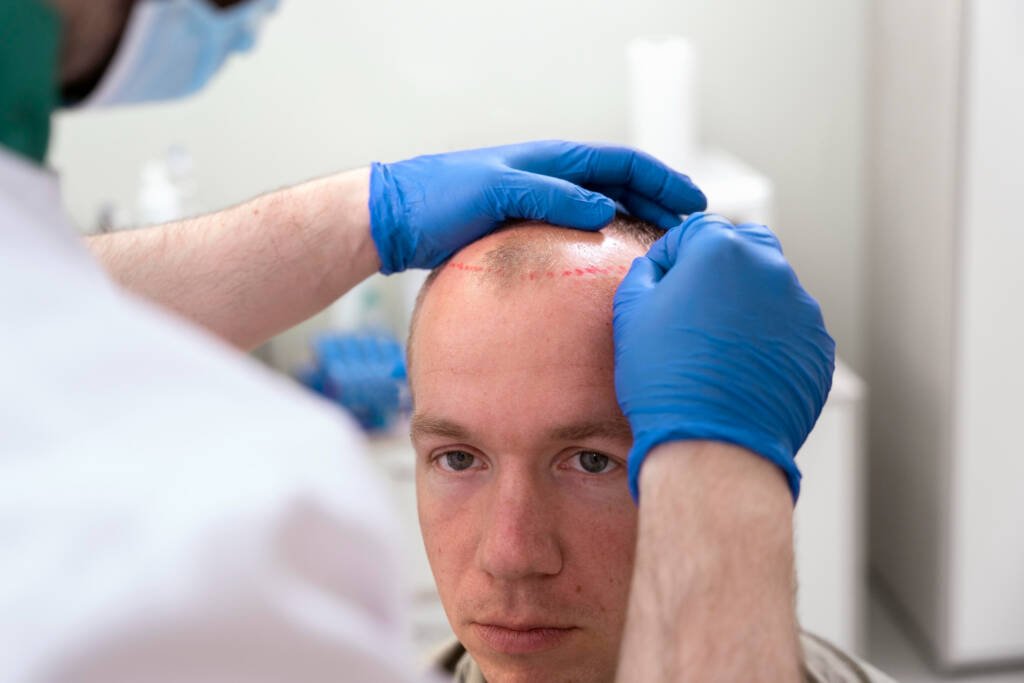
What Is a Hair Transplant
A hair transplant is a medical procedure where healthy hair follicles are taken from a donor area, usually the back or sides of the scalp, and implanted into areas with thinning or baldness. Since the transplanted hair comes from your own body, it is naturally accepted and continues to grow like normal hair.
Modern techniques such as FUE and DHI have made the procedure safer, more precise, and more natural looking than older methods.
When Hair Transplant Is Good
Hair transplant is considered a good option when specific medical conditions are met. It works best in patients with permanent hair loss and a stable donor area.
Hair transplant is generally good if:
- You have male or female pattern baldness
- Hair loss has stabilized or slowed down
- You have sufficient healthy donor hair
- You are in good overall health
- You have realistic expectations about density and coverage
In these cases, a hair transplant can offer long lasting, natural looking results that significantly improve appearance and confidence.
Medical Benefits of Hair Transplant
From a medical standpoint, hair transplant offers several advantages.
- Uses your own hair follicles, reducing rejection risk
- Permanent solution for transplanted areas
- Natural hair growth and texture
- No long term dependency on medicines for transplanted hair
- Improves scalp coverage and facial balance
When performed by experienced doctors using proper planning, the success rate is very high.
When Hair Transplant May Not Be a Good Choice
Hair transplant is not a miracle cure for all types of hair loss. In some situations, it may not deliver satisfactory results.
Hair transplant may not be ideal if:
- Hair loss is due to stress, illness, or hormonal imbalance
- You have diffuse thinning across the scalp
- Donor area is weak or over harvested
- Hair loss is still progressing rapidly
- Expectations are unrealistic
In such cases, medical treatments like PRP, medications, or lifestyle correction may be recommended instead of surgery.
Possible Risks and Limitations
While hair transplant is generally safe, it is still a medical procedure and has limitations.
Possible issues include:
- Temporary swelling or redness
- Shedding of transplanted hair before regrowth
- Uneven density if planning is poor
- Unsatisfactory results when done by unqualified clinics
Most complications occur due to improper technique or choosing a clinic based only on cost rather than expertise.
Is Hair Transplant Permanent
The transplanted hair is usually permanent because it is taken from areas resistant to hair loss. However, non transplanted native hair may continue to thin over time. This is why proper long term planning and follow up care are important.
Honest Verdict: Is Hair Transplant Good or Bad
Hair transplant is good when:
- The diagnosis is correct
- The patient is a suitable candidate
- The procedure is done by qualified professionals
- Expectations are realistic
Hair transplant can be bad when:
- It is done unnecessarily
- The root cause of hair loss is not addressed
- The clinic lacks experience
- The procedure is rushed or poorly planned
The outcome depends more on medical judgment and execution than on the procedure itself.
Final Thoughts
Hair transplant is neither universally good nor bad. It is a highly effective medical solution for the right patient under the right conditions. A proper consultation with an experienced hair restoration doctor is essential to determine whether surgery is the correct option for you or if non surgical treatments would be more appropriate.