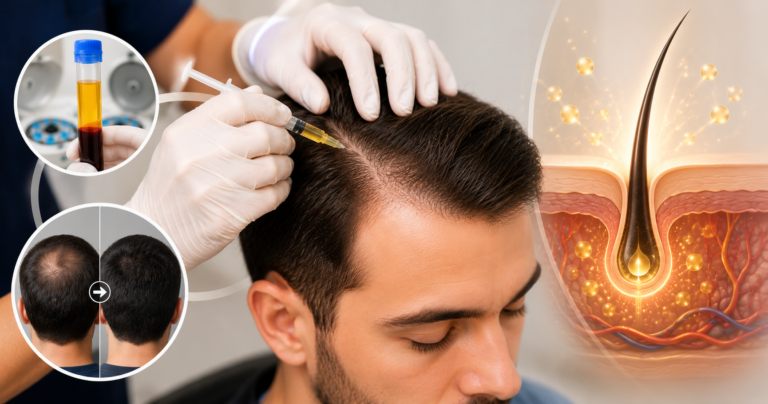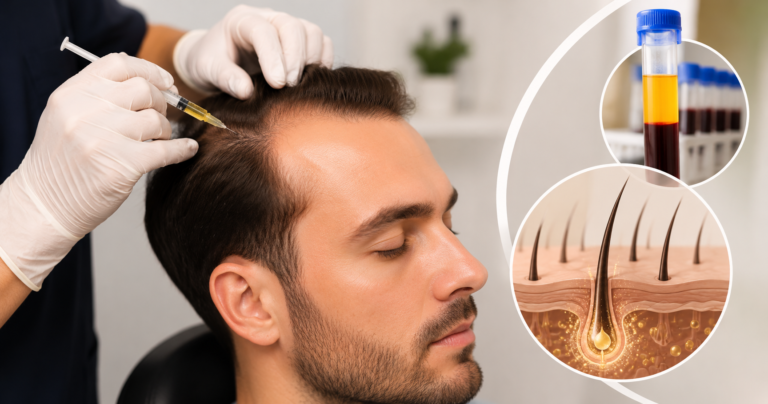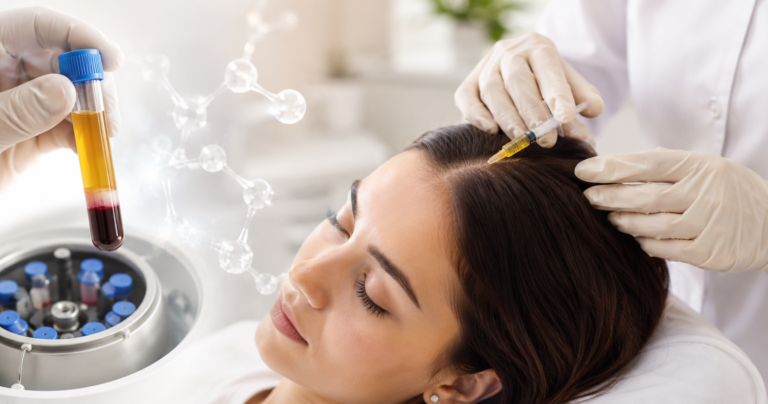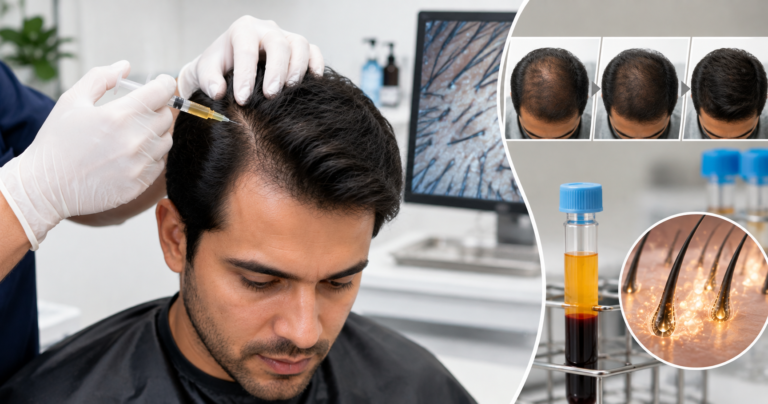
Can GFC Hair Treatment Increase Hair Thickness Even Without a Hair Transplant? Hair thinning is one of the earliest signs of hair loss, yet many people are not ready for a surgical solution. If you've noticed your hair becoming finer, your scalp becoming more visible, or your ponytail losing volume, you may wonder whether there's…
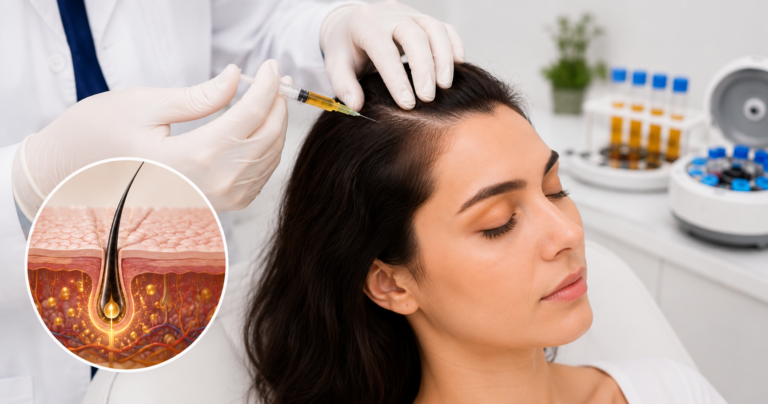
Can PRP Hair Treatment Help Patients with Thyroid or PCOS-Related Hair Loss? Hair loss can be emotionally challenging, especially when it is caused by an underlying medical condition rather than genetics alone. Two of the most common health conditions associated with excessive hair shedding are thyroid disorders and Polycystic Ovary Syndrome (PCOS) hair loss. Many…
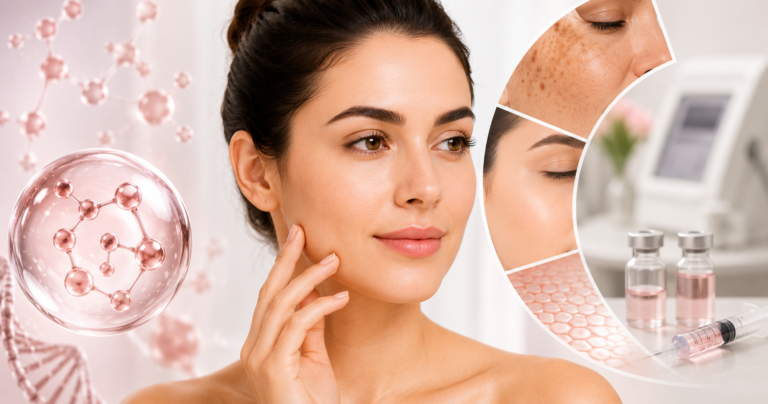
Is Glutathione Treatment Suitable for Every Skin Type? Glutathione has become one of the most talked-about treatments for improving skin tone, reducing pigmentation, and promoting healthier-looking skin. As its popularity continues to grow, many people wonder whether it is suitable for everyone or if certain skin types respond better than others. The simple answer…
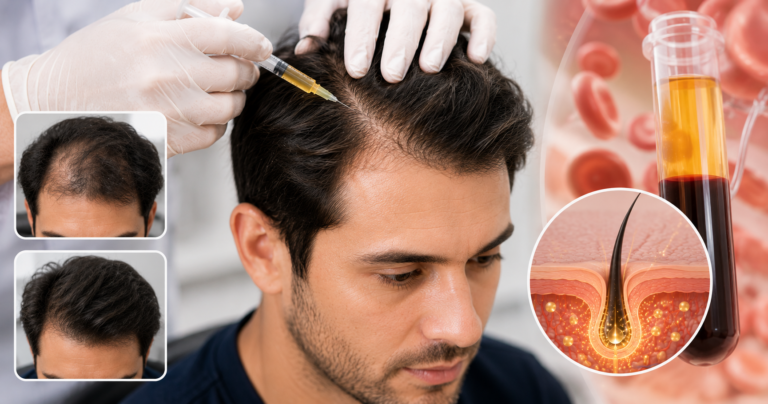
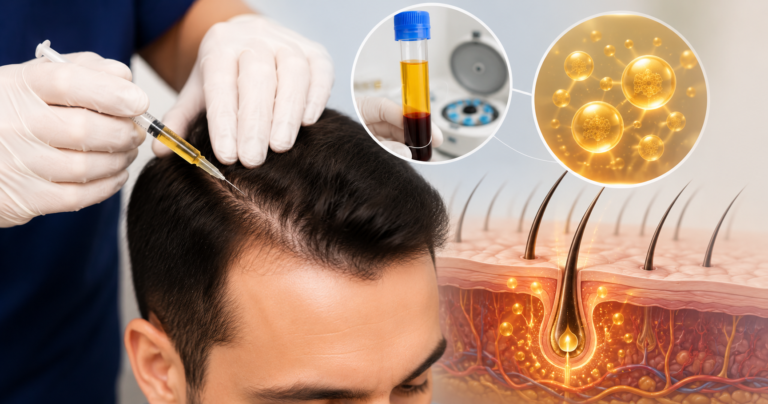
Hair loss is no longer viewed as a problem that only requires surgery. Advances in regenerative medicine have introduced treatments that focus on improving the health of existing hair follicles before significant hair loss occurs. One such treatment is Growth Factor Concentrate (GFC) Therapy, an advanced, non-surgical solution designed to support natural hair regrowth. But…
Hair loss affects everyone differently, and so do the results of treatment. While many people experience noticeable improvements after PRP therapy, others may see slower or less dramatic changes. This difference often leads to an important question: Why does PRP hair treatment work better for some people than others? The answer lies in several medical…
When you begin PRP or GFC treatment for hair loss, it's natural to focus on the procedure itself. However, one important factor that is often overlooked is nutrition. Your hair follicles require a steady supply of proteins, vitamins, minerals, and antioxidants to grow healthy, strong hair. While treatments such as PRP and GFC work by…
Hair loss rarely happens overnight. It often starts gradually perhaps with a receding hairline, thinning around the crown, or increased hair shedding during showers. Because the changes are slow, many people postpone seeking treatment, hoping the problem will stabilize or improve on its own. But does delaying a hair transplant really matter? Yes, it can.…
Hair loss affects millions of men and women, but choosing the right treatment can often feel overwhelming. With options such as PRP, GFC, and Hair Transplant available today, many patients find themselves asking: Which treatment is best for my hair loss? The answer depends on several factors, including the stage of hair loss, the condition…
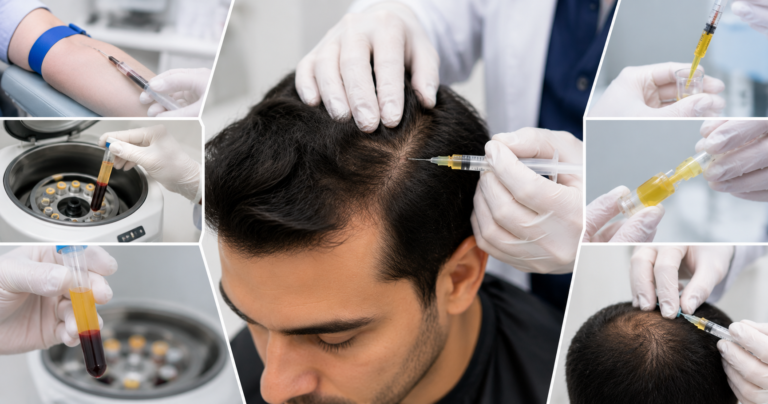
How long does PRP take to show results? The truth is that PRP (Platelet-Rich Plasma) is not an overnight solution. Hair growth is a gradual biological process, and visible improvements typically occur over several months. Understanding the PRP hair treatment timeline can help you set realistic expectations and stay committed to the treatment plan. Quick…
Many people start glutathione treatment expecting visible skin brightening after just one or two sessions. However, the reality is different. Skin brightening is a gradual process that depends on your skin type, pigmentation level, lifestyle habits, and treatment consistency. If you are struggling with dull skin, tanning, uneven skin tone, or pigmentation, you may be…
Hair loss treatments have become more advanced over the years, and PRP therapy is now one of the most preferred non-surgical solutions for hair thinning and hair fall. However, before starting the treatment, many people ask the same question: “Is PRP painful?” The concern is understandable. Since the procedure involves injections into the scalp, people…
Hair fall and thinning hair affect millions of people today. Factors such as stress, hormonal imbalance, poor nutrition, pollution, genetics, and unhealthy lifestyle habits often contribute to hair loss. Because of this, many individuals now prefer non-surgical treatments that support natural hair regrowth. Among the available options, PRP therapy has become one of the most…