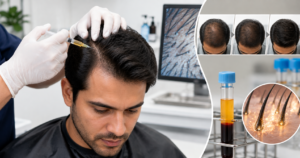
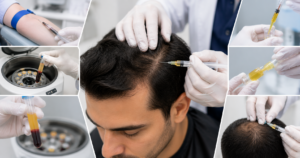
Hair transplant techniques have advanced significantly, but post transplant care now plays an equally important role in achieving long lasting, natural results. Among the most discussed add ons today are PRP therapy and exosome treatment, often referred to as hair growth boosters.
Patients frequently ask whether these treatments are truly necessary after a hair transplant or simply optional enhancements. This blog explains what PRP and exosomes do, how they differ, and when they may be beneficial after a transplant.

Why Post Transplant Support Matters
A hair transplant relocates healthy follicles from the donor area to thinning or bald regions. While the surgery itself establishes new hair growth, the scalp still goes through a healing and adaptation phase.
During this phase
• Grafts need adequate blood supply
• Inflammation must be controlled
• Existing native hair needs protection
• Overall scalp health influences final density
This is where supportive treatments like PRP and exosomes may play a role.
What Is PRP and How Does It Help After a Transplant?
PRP or Platelet Rich Plasma is derived from the patient’s own blood. It contains growth factors that stimulate healing and improve follicle function.
Post transplant benefits of PRP include
• Faster healing of the scalp
• Reduced post surgery hair shedding
• Improved graft survival
• Strengthening of existing hair
PRP is commonly recommended after a hair transplant, especially in patients with ongoing hair thinning.
What Are Exosomes and Why Are They Considered Advanced?
Exosomes are microscopic vesicles that carry signaling molecules responsible for cell communication and tissue regeneration. Unlike PRP, exosomes are not blood derived and are considered a more advanced regenerative option.
Potential benefits of exosome therapy after transplant include
• Reduced inflammation around grafts
• Enhanced follicle regeneration signals
• Improved scalp healing environment
• Support for overall hair quality
Exosomes are often considered when patients want enhanced recovery or have weak scalp response.
Are These Boosters Necessary for Everyone?
The short answer is no. PRP and exosomes are not mandatory after a hair transplant.
They are most useful for
• Patients with diffuse thinning
• Individuals with weak existing hair
• Those prone to excessive post transplant shedding
• Patients seeking faster recovery and improved density
For patients with strong donor hair and minimal ongoing hair loss, a well performed transplant may succeed without additional boosters.
PRP vs Exosomes After Hair Transplant
PRP
• Blood derived
• Widely used and studied
• More affordable
• Suitable for most patients
Exosomes
• Lab processed regenerative signals
• More advanced and costly
• Used selectively
• Considered when stronger stimulation is needed
A doctor’s assessment determines which option is appropriate.
Do Boosters Improve Long Term Results?
Supportive treatments do not replace surgery, but they may
• Improve graft survival
• Reduce shock loss
• Enhance thickness and texture
• Support long term hair health
When used appropriately, they complement the transplant rather than act as standalone solutions.
Conclusion
Exosomes and PRP are not compulsory after a hair transplant, but they can be valuable tools in specific cases. Their role is to support healing, strengthen existing hair, and optimize the scalp environment for transplanted follicles. The decision to use these boosters should be based on individual hair loss pattern, scalp condition, and long term goals rather than trends.
A personalized post transplant plan guided by a qualified specialist ensures the best possible outcome without unnecessary treatments.
Frequently Asked Questions
Is PRP mandatory after a hair transplant
No. PRP is optional and recommended only when additional support is beneficial.
Can exosomes replace PRP
Exosomes are not replacements but advanced alternatives used in select cases.
When are boosters usually started after transplant
They are typically started a few weeks after surgery once initial healing begins.
Do boosters guarantee better results
They enhance conditions for growth but cannot guarantee outcomes without proper surgery.
Can boosters stop future hair loss
They help strengthen hair but do not stop genetic hair loss completely.