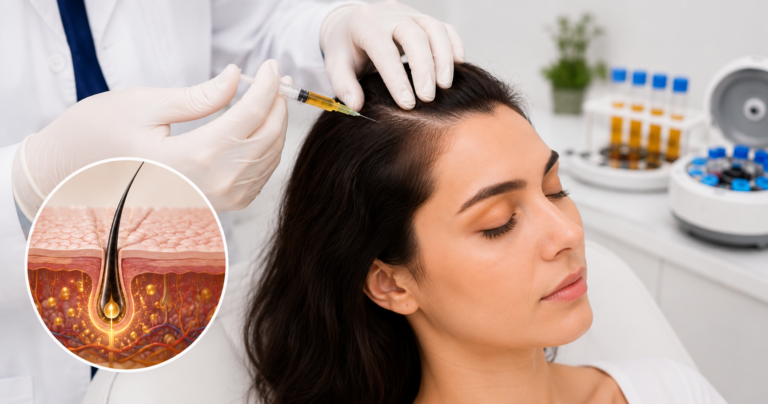
Can PRP Hair Treatment Help Patients with Thyroid or PCOS-Related Hair Loss? Hair loss can be emotionally challenging, especially when it is caused by an underlying medical condition rather than genetics alone. Two of the most common health conditions associated with excessive hair shedding are thyroid disorders and Polycystic Ovary Syndrome (PCOS) hair loss. Many…
Hair loss affects everyone differently, and so do the results of treatment. While many people experience noticeable improvements after PRP therapy, others may see slower or less dramatic changes. This difference often leads to an important question: Why does PRP hair treatment work better for some people than others? The answer lies in several medical…
When you begin PRP or GFC treatment for hair loss, it's natural to focus on the procedure itself. However, one important factor that is often overlooked is nutrition. Your hair follicles require a steady supply of proteins, vitamins, minerals, and antioxidants to grow healthy, strong hair. While treatments such as PRP and GFC work by…
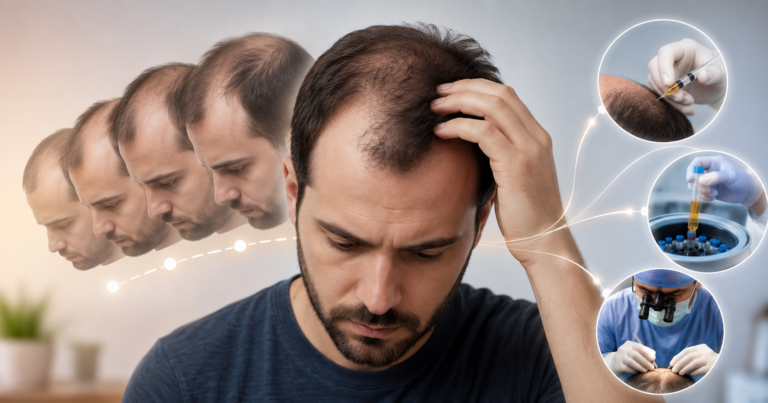
Hair loss rarely happens overnight. It often starts gradually perhaps with a receding hairline, thinning around the crown, or increased hair shedding during showers. Because the changes are slow, many people postpone seeking treatment, hoping the problem will stabilize or improve on its own. But does delaying a hair transplant really matter? Yes, it can.…
Hair loss affects millions of men and women, but choosing the right treatment can often feel overwhelming. With options such as PRP, GFC, and Hair Transplant available today, many patients find themselves asking: Which treatment is best for my hair loss? The answer depends on several factors, including the stage of hair loss, the condition…
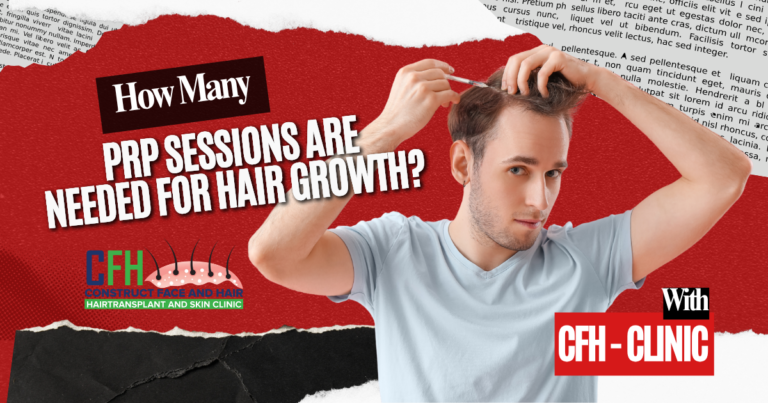
How long does PRP take to show results? The truth is that PRP (Platelet-Rich Plasma) is not an overnight solution. Hair growth is a gradual biological process, and visible improvements typically occur over several months. Understanding the PRP hair treatment timeline can help you set realistic expectations and stay committed to the treatment plan. Quick…
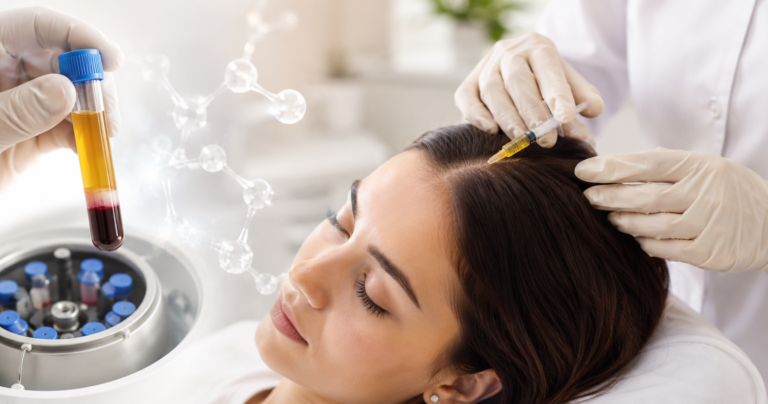
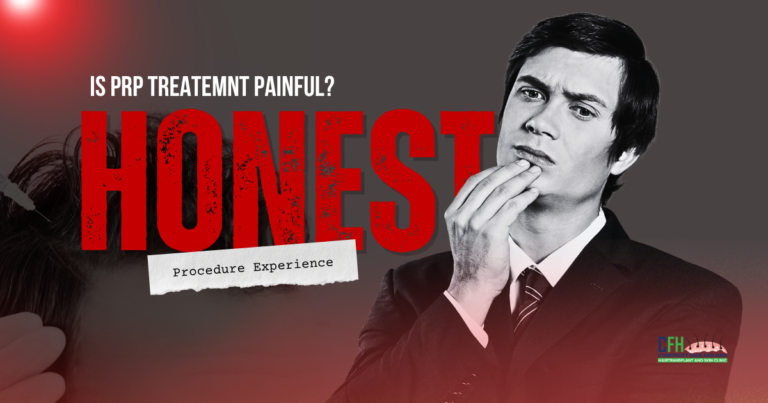
Hair loss treatments have become more advanced over the years, and PRP therapy is now one of the most preferred non-surgical solutions for hair thinning and hair fall. However, before starting the treatment, many people ask the same question: “Is PRP painful?” The concern is understandable. Since the procedure involves injections into the scalp, people…
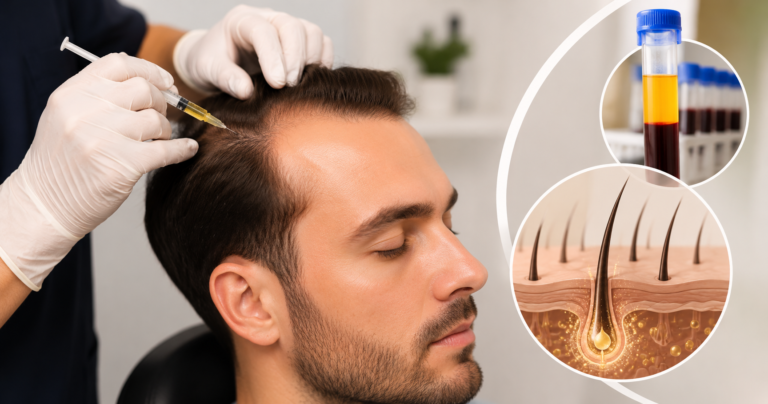
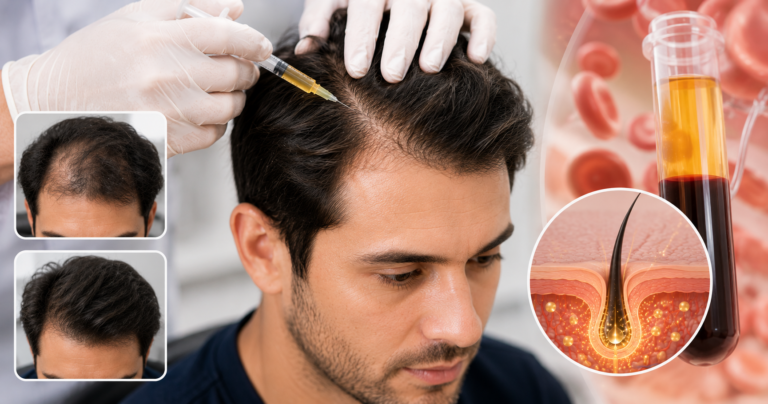
Hair fall and thinning hair affect millions of people today. Factors such as stress, hormonal imbalance, poor nutrition, pollution, genetics, and unhealthy lifestyle habits often contribute to hair loss. Because of this, many individuals now prefer non-surgical treatments that support natural hair regrowth. Among the available options, PRP therapy has become one of the most…
You did everything right. You researched the treatment, found what seemed like a good clinic, went through the sessions, and waited patiently. But the mirror told a different story. The hair didn't come back. Or perhaps the initial improvement faded. Now you're left wondering does PRP actually work, or was it all a waste? You…
Hair loss is deeply personal. And when you're searching for solutions, you'll find no shortage of clinics and advertisements promising miraculous PRP results, full regrowth in weeks, permanent fixes, and thick hair guaranteed. But here's what most people don't tell you: PRP therapy is a genuine, science-backed treatment and it works remarkably well but only…