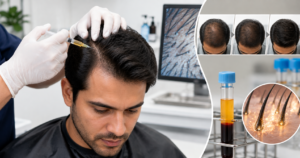
Hair loss rarely happens overnight. It often starts gradually perhaps with a receding hairline, thinning around the crown, or increased hair shedding during showers. Because the changes are slow, many people postpone seeking treatment, hoping the problem will stabilize or improve on its own.
But does delaying a hair transplant really matter?
Yes, it can. While postponing treatment doesn’t automatically mean you’ll become ineligible for a hair transplant, waiting too long may reduce your available donor hair, increase the size of bald areas, and sometimes require more extensive procedures than if treatment had started earlier.
If you’re considering a hair transplant in chennai, understanding the effects of delaying treatment can help you make a more informed decision and improve your long-term results.
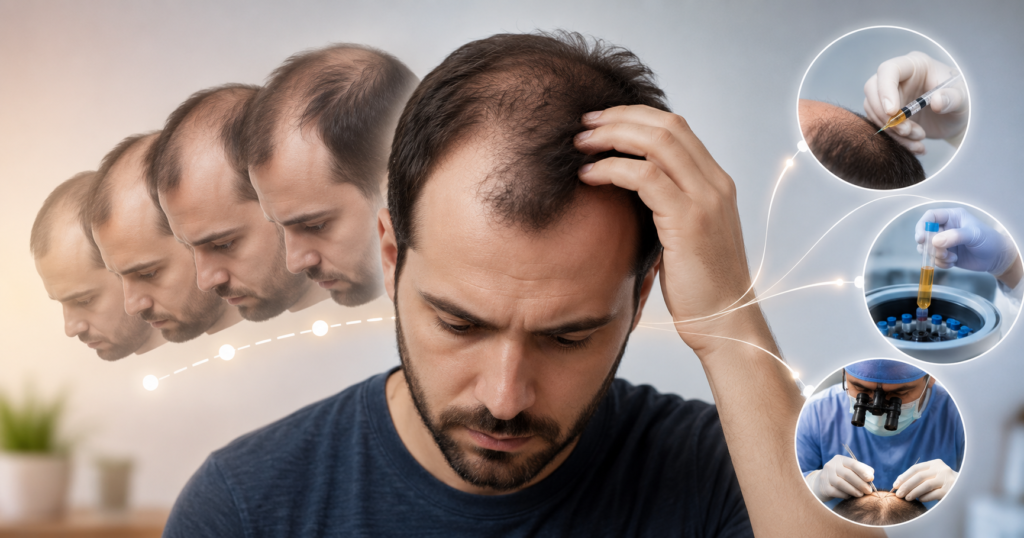
Is It Bad to Delay a Hair Transplant?
In many cases, yes. Delaying a hair transplant may lead to:
- Continued hair loss and larger bald areas
- Reduced donor hair availability
- More grafts required during surgery
- Lower hair density in untreated areas
- Increased treatment complexity
- Greater overall treatment costs in some cases
However, not everyone needs an immediate hair transplant. The right timing depends on your age, the stage of hair loss, and the stability of your condition.
Why Timing Matters in Hair Restoration?
Hair transplantation is not simply about replacing lost hair. It’s about creating a long-term restoration plan that looks natural for years to come.
Hair loss is progressive in many individuals. While transplanted follicles are generally resistant to hair loss, the surrounding natural hair may continue thinning if the underlying condition isn’t managed.
This is why specialists evaluate:
- Pattern of hair loss
- Family history
- Donor hair quality
- Age
- Future progression
Choosing the right time often produces better cosmetic and long-term outcomes.
What Happens If You Wait Too Long?
1. Your Bald Area May Become Larger
One of the biggest consequences of delaying treatment is the continued progression of hair loss.
A small thinning area today may develop into a much larger bald region over the next few years.
As baldness progresses:
- More scalp becomes visible
- Hairline recession increases
- Crown thinning expands
- Natural density decreases
Larger treatment areas generally require more grafts to achieve balanced coverage.
Read more about – PRP vs GFC vs Hair Transplant
2. Donor Hair Becomes More Valuable
Hair transplantation relies on healthy donor follicles, usually taken from the back and sides of the scalp.
Although donor hair is relatively permanent, it is still a limited resource.
When hair loss becomes more advanced, surgeons often need to use significantly more grafts to restore acceptable density.
Using donor hair wisely is one of the most important aspects of successful hair restoration planning.
3. Hair Loss Around the Transplant May Continue
Many people assume a hair transplant permanently solves every aspect of hair loss.
In reality, the transplanted hair remains, but untreated native hair can continue to thin over time.
Because of this, doctors may recommend combining transplantation with supportive treatments to help preserve existing follicles.
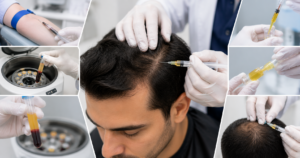
For many patients, prp treatment in chennai is suggested as part of a comprehensive hair restoration plan to strengthen surrounding hair and reduce ongoing shedding.
4. More Grafts May Be Needed
Earlier treatment often allows surgeons to focus on smaller areas.
When treatment is delayed:
- Larger bald regions require attention
- More grafts may be necessary
- Surgery may take longer
- Multiple sessions could be recommended
Although every case is different, early evaluation often provides more planning flexibility.
Thinking About Hair Restoration?
Every stage of hair loss requires a different approach. Whether you’re experiencing early thinning or advanced baldness, a professional consultation can help determine the most suitable treatment plan.
Can Delaying Affect Natural-Looking Results?
Yes, in some situations. Natural-looking hair restoration depends on balancing:
- Hairline design
- Donor availability
- Existing hair density
- Future hair loss progression
If significant hair loss continues before treatment, achieving seamless density may become more challenging compared to treating the condition earlier.
This doesn’t mean excellent results aren’t possible it simply means treatment planning becomes more important.
Is Everyone a Good Candidate for Early Hair Transplant?
Not necessarily. A hair transplant is not always the first recommendation.
For individuals with:
- Early-stage hair thinning
- Active hair shedding
- Diffuse hair loss
Doctors may first recommend non-surgical treatments to help stabilize hair loss before considering surgery.
One commonly recommended option is gfc treatment in chennai, which uses concentrated growth factors to support healthier hair follicles and improve overall hair quality.
Signs You Shouldn’t Ignore
If you notice any of these changes, it may be time to schedule a professional hair assessment:
- Receding hairline
- Increasing scalp visibility
- Widening part line
- Excessive daily hair fall
- Crown thinning
- Family history of baldness
Early evaluation doesn’t always mean immediate surgery, but it provides valuable insight into your treatment options.
Can PRP or GFC Help Delay a Hair Transplant?
In many cases, yes. When hair follicles are still active but weakened, regenerative treatments may help:
- Reduce hair shedding
- Improve follicle health
- Increase hair thickness
- Slow progression of hair loss
Many specialists combine these therapies with long-term hair restoration planning.
If you’re exploring prp treatment in chennai, it may be suitable during the earlier stages of hair thinning when follicles remain viable.
Likewise, patients considering gfc treatment in chennai often benefit from a personalized treatment plan based on their stage of hair loss and scalp condition.
Common Myths About Delaying Hair Transplant
Myth 1: Hair Loss Will Stop on Its Own
For many people, genetic hair loss is progressive without treatment.
Myth 2: Waiting Always Produces Better Results
Waiting may actually increase treatment complexity if significant hair loss continues.
Myth 3: A Hair Transplant Can Replace Unlimited Hair
Hair transplantation depends on the availability of donor follicles, making timely planning important.
Myth 4: Non-Surgical Treatments Are a Waste of Time
When recommended appropriately, regenerative treatments can play an important role in preserving existing hair and complementing future transplantation.
When Is the Best Time to Consider a Hair Transplant?
There isn’t a single age that’s right for everyone.
Instead, specialists consider:
- Hair loss stability
- Donor hair quality
- Overall health
- Future hair loss pattern
- Treatment expectations
For many individuals, consulting early provides more treatment choices—even if surgery isn’t immediately recommended.
If you’re researching hair transplant in chennai, an expert assessment can help determine whether now is the right time or whether other treatments should be considered first.
Final Thoughts
Delaying a hair transplant doesn’t automatically prevent successful hair restoration, but waiting too long can influence the number of grafts required, donor hair availability, and overall treatment planning.
The earlier you understand your hair loss pattern, the more options you typically have. In some cases, non-surgical treatments may help preserve existing hair, while in others, timely transplantation offers the most effective long-term solution.
Rather than waiting until hair loss becomes severe, consider seeking a professional evaluation as soon as you notice persistent thinning or recession. A personalized treatment plan can help you make informed decisions and achieve natural-looking, lasting results.
Don’t wait until your treatment options become more limited. Schedule a personalized consultation to understand your stage of hair loss and explore the most suitable solution for your goals.