Glutathione is often discussed as a skin-brightening antioxidant, but can it help with acne marks, pigmentation, and uneven skin tone? Glutathione may have a role in improving certain types of hyperpigmentation, but it is not an acne treatment and should not be presented as a guaranteed way to change natural skin colour.
Research suggests that glutathione may influence melanin production and improve pigmentation measures in selected patients. However, results vary, and a 2025 systematic review emphasized that more high-quality clinical trials are needed.
What Is Glutathione and How Does It Affect Pigmentation?
Glutathione is a naturally occurring antioxidant involved in protecting cells from oxidative stress. Its dermatological interest partly comes from its potential effects on melanogenesis, the process through which skin produces melanin.
That does not mean glutathione simply “removes” pigmentation. Dark patches can result from acne inflammation, sun exposure, melasma, hormonal changes, and other causes. Identifying the cause is therefore more important than choosing a brightening treatment based only on appearance.
Can Glutathione Help With Acne Marks?
It can help with pigmentation left after acne, but it does not treat active acne.
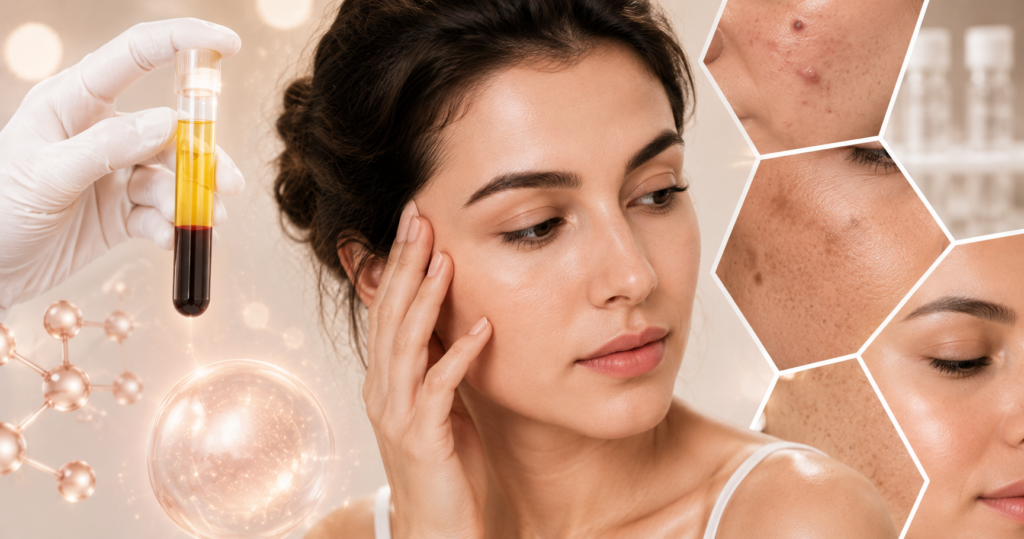
Acne can cause post-inflammatory hyperpigmentation, particularly in darker skin tones. Flat brown or dark marks may remain after inflammation settles. Glutathione may have a supportive role because of its antioxidant and anti-melanogenic properties. However, sun protection and appropriate management of underlying acne remain important foundations.
If you are considering glutathione treatment in chennai for acne marks, a dermatologist should first determine whether the marks are post-inflammatory pigmentation, melasma, acne scarring, or another condition.
Concerned About Pigmentation After Acne?
Do not treat every dark mark the same way. A skin assessment can identify the pigmentation type and whether glutathione belongs in your plan.
Can Glutathione Reduce Uneven Skin Tone?
Glutathione may improve the appearance of uneven pigmentation in some people. Some clinical studies report reduced melanin index with certain oral and topical formulations, but the evidence is not strong enough to promise the same result for everyone. A recent systematic review found potential benefits from topical glutathione for hyperpigmentation while highlighting the limited clinical evidence.
A dermatologist should therefore assess the cause and pattern of uneven skin tone before recommending treatment.
Who May Benefit From Glutathione-Based Skin Treatment?
Potential candidates may include people with mild pigmentation, tanning, post-inflammatory hyperpigmentation, or an uneven complexion. Suitability depends on diagnosis, skin sensitivity, medical history, and treatment goals.
People searching for skin whitening treatment in chennai should be cautious about promises of permanent changes to natural skin colour. A responsible approach focuses on reducing unwanted pigmentation and improving skin health.
Is Glutathione the Best Treatment for Acne Pigmentation?
Not necessarily. There is no single treatment for every pigmentation concern. The best skin whitening treatment in chennai depends on the diagnosis.
Depending on the diagnosis, a dermatologist may consider topical medicines, chemical peels, laser procedures, microneedling, sunscreen, or combination therapy. Glutathione may be considered as an adjunct in selected cases rather than a universal first-line treatment.
The right option depends on the cause, depth, skin type, and whether active acne is present.
Why Does Professional Diagnosis Matter?
Pigmentation can look similar on the surface while having different causes. Melasma, post-inflammatory hyperpigmentation, photodamage, and medication-related changes may require different strategies.
A dermatologist can examine your skin, review your medical history, and identify factors that may be worsening pigmentation. This supports evidence-based treatment instead of a generic cosmetic protocol. Current international consensus recommendations also emphasize tailoring hyperpigmentation management according to factors such as skin type, disease severity, and the specific pigmentary condition.
Read more – Is Glutathione Treatment Suitable for Every Skin Type?
How Can You Support Better Results?
Sun protection is essential because ultraviolet exposure can worsen many pigmentation disorders and make results harder to maintain. Sunscreen, suitable skincare, and acne control form the foundation of pigmentation management.
Avoid unverified bleaching products or combining multiple strong treatments without professional guidance. Irritation can itself worsen post-inflammatory pigmentation.
If you are exploring glutathione treatment in chennai, ask what formulation is used, why it was recommended, what evidence supports it, and what alternatives are available.
What Does the Evidence Say About Glutathione Safety?
Evidence depends heavily on the form used. Recent reviews suggest that topical and oral glutathione may provide some pigmentation benefits, but evidence remains limited and variable. Evidence for intravenous glutathione for cosmetic skin lightening is particularly concerning, with reviews highlighting insufficient long-term safety and efficacy data.
Cosmetic glutathione should therefore not be treated as automatically risk-free. A dermatologist should assess whether it is appropriate and discuss alternatives.
Conclusion
Glutathione may help reduce the appearance of certain types of pigmentation and uneven skin tone, including some acne-related dark marks, but it should not be considered a cure for acne or a guaranteed method of changing natural skin colour. Its role is best understood as one possible component of a diagnosis-driven pigmentation plan.
For anyone considering skin whitening treatment in chennai, the safest approach is a dermatologist-led evaluation followed by a plan tailored to the cause of pigmentation. The best skin whitening treatment in chennai is the one appropriate for your diagnosis, skin type, and goals.
Ready for a Personalized Pigmentation Plan?
Get your skin evaluated by a qualified dermatology team before choosing a treatment. At CFH Hair Transplant & Skin Clinic, your plan can be tailored to your pigmentation pattern, skin condition, and individual goals.
Frequently Asked Questions
Can glutathione remove acne marks?
Glutathione may help reduce the appearance of some pigmentation left after acne, but it does not treat active acne. A dermatologist should identify whether the marks are post-inflammatory hyperpigmentation, acne scars, or another condition before treatment.
Does glutathione permanently lighten the skin?
There is not enough evidence to claim permanent skin lightening. Clinical research suggests that certain glutathione formulations may influence pigmentation, but results can vary and may not be sustained.
Is glutathione safe for pigmentation treatment?
Safety depends on the formulation and route of administration. Evidence for topical use is still developing, while intravenous cosmetic use has important safety and evidence limitations. Treatment should be discussed with a qualified dermatologist.
How long does glutathione take to improve pigmentation?
There is no single timeline that applies to everyone. Results depend on the type and severity of pigmentation, treatment method, skin type, sun exposure, and whether other pigmentation treatments are being used.
What is better for acne pigmentation, glutathione or a chemical peel?
Neither is automatically better for everyone. Chemical peels, topical treatments, laser procedures, microneedling, sun protection, and glutathione may have different roles depending on the diagnosis. A dermatologist can recommend the most appropriate option after examining the skin.