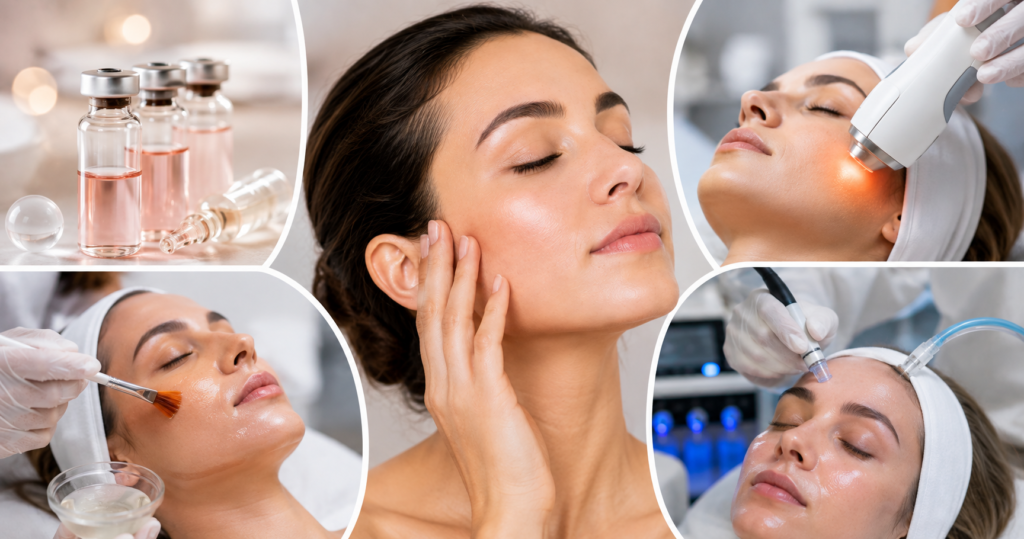
Pigmentation rarely has a single cause. Acne marks, tanning, melasma, uneven skin tone, and sun damage can require different treatment strategies. This is why many people wonder whether combining glutathione with procedures such as chemical peels, laser therapy, or HydraFacial can produce better results.
The answer is sometimes, but not automatically. A combination approach can be appropriate for selected patients when each treatment has a specific purpose. However, combining multiple procedures without considering skin type, pigmentation diagnosis, treatment intensity, and recovery time can increase irritation and potentially worsen pigmentation.
For anyone considering glutathione treatment in chennai, the safest approach is to have a dermatologist determine which combination, if any, is appropriate rather than selecting several treatments simply because they are available together in a package.
What Does Glutathione Do for Skin?
Glutathione is a naturally occurring antioxidant that has attracted dermatological interest because of its potential effects on melanin production and oxidative stress.
Clinical evidence suggests that certain topical and oral glutathione preparations may improve pigmentation, but the evidence remains limited and variable. A recent systematic review found promising results while emphasizing the need for more high-quality clinical trials. (PubMed)
Importantly, glutathione should not be considered a universal treatment for every pigmentation problem. The cause of the pigmentation needs to be identified first.
Can Glutathione Be Combined With Chemical Peels?
Chemical peels use controlled exfoliation to remove damaged outer skin layers and encourage renewal. Depending on the type and concentration, peels may be used for pigmentation, acne, superficial acne marks, and certain skin-texture concerns.
A dermatologist may consider a peel alongside a broader pigmentation-management plan, but treatments should not necessarily be performed simultaneously.
The skin may need time to recover between procedures. Over-treatment can cause inflammation, and inflammation can itself trigger post-inflammatory hyperpigmentation.
Research supports chemical peels as one option for certain pigmentation disorders, including melasma, although outcomes vary by peel type and patient. (PubMed)
Want to know whether a peel belongs in your pigmentation plan?
Book a dermatologist-led skin assessment today
Can Glutathione Be Combined With Laser Therapy?
Laser treatment can target specific pigmentation or skin concerns, but it requires careful patient selection and appropriate settings.
This is particularly important for people with darker skin tones because aggressive laser treatment can cause inflammation and post-inflammatory hyperpigmentation. Indian expert recommendations note that lasers are generally not first-line treatment for melasma and may be considered as an adjunct in selected resistant cases. (PubMed)
More recent evidence also suggests that combination approaches involving laser or light-based treatment can improve melasma outcomes in selected patients, but adverse events—including erythema and post-inflammatory hyperpigmentation—need to be considered. (PubMed)
Therefore, combining glutathione with laser therapy should be based on the diagnosis and treatment plan rather than a standard package.
What About Glutathione and HydraFacial?
HydraFacial is primarily used as a cosmetic skin-refreshing procedure involving cleansing, exfoliation, extraction, and hydration.
Unlike a laser or chemical peel designed to target specific pigmentary disorders, HydraFacial is generally positioned around skin cleansing, hydration, and overall appearance.
A dermatologist may include it in a broader skincare plan when appropriate, but it should not automatically be considered a treatment for melasma or significant pigmentation.
If your primary goal is pigmentation correction, diagnosis should come before choosing a facial procedure.
Is Combining Multiple Treatments Always Better?
No. More treatments do not necessarily mean better results. The skin has a limited ability to tolerate repeated irritation, and excessive treatment can compromise the skin barrier.
This is especially relevant for people seeking skin whitening treatment in chennai, because pigmentation can sometimes become darker after inflammation.
A 2024 systematic review of post-inflammatory hyperpigmentation found that laser and energy-based treatments can help some patients, but worsening pigmentation was also reported in a proportion of treated patients. (PubMed)
The recently published Indian expert consensus on hyperpigmentation also emphasizes individualized, multimodal management and prevention of relapse, particularly in people with darker skin types.
How Does a Dermatologist Decide Which Combination Is Appropriate?
A professional assessment typically considers:
- The type and depth of pigmentation
- Skin type and sensitivity
- Presence of active acne
- Previous pigmentation treatments
- History of post-inflammatory pigmentation
- Current skincare products
- Sun exposure
- Medical history
- Treatment expectations
For example, someone with acne-related pigmentation may require acne control first, while someone with melasma may need a different long-term strategy.
The order and spacing of treatments can also matter. A dermatologist may schedule procedures on different days or weeks rather than performing everything during one appointment.
Checkout – Glutathione Treatment Cost in Chennai
How Should You Choose a Combination Treatment Package?
If a clinic offers a package combining glutathione, peels, laser procedures, or HydraFacial, ask exactly what is included. Important questions include:
- What skin condition is being treated?
- Why is each procedure being recommended?
- Which glutathione formulation is being used?
- How many sessions are planned?
- How much recovery time is required?
- What are the possible side effects?
- Is dermatologist follow-up included?
- What happens if your skin develops irritation or increased pigmentation?
A transparent treatment plan is more valuable than simply choosing the package with the largest number of procedures.
Is Glutathione Necessary When Having a Peel or Laser?
Not always. Chemical peels and laser procedures can have their own indications and treatment protocols. Glutathione may be considered as an adjunct in selected cases, but there is not enough evidence to claim that adding it will automatically improve the results of every peel or laser treatment.
This distinction is important for patients researching glutathione treatment in chennai. The appropriate combination should be determined by your diagnosis rather than by the number of treatments included in a package.
What About Safety?
Safety depends on the procedure, treatment intensity, skin type, and how closely treatments are monitored.
Chemical peels can be safely performed in people with darker skin when appropriately selected and administered by an experienced dermatologist, but improper treatment can result in persistent pigmentary problems. (American Academy of Dermatology)
Laser procedures similarly require careful settings and patient selection. For melasma and pigmentation-prone skin, overly aggressive treatment can sometimes worsen the very concern being treated. (PubMed)
Glutathione also has formulation-specific safety considerations. Current evidence does not support treating cosmetic glutathione therapy as universally risk-free, particularly for intravenous use. (PubMed)
What Is the Best Combination for Your Skin?
There is no single combination that works for everyone. Someone with mild tanning may need a relatively simple skincare and photoprotection plan. A patient with persistent melasma may require a longer-term pigment-control strategy. Someone with acne and post-inflammatory pigmentation may first need acne management before procedures are considered.
Therefore, the best approach is diagnosis first, combination second. For people searching for skin whitening treatment in chennai, a dermatologist-led plan can help avoid unnecessary procedures and focus treatment on the actual cause of uneven pigmentation.
Conclusion
Glutathione can potentially be incorporated into a broader skin-management plan, but combining it with chemical peels, laser therapy, or HydraFacial is not automatically better or necessary.
Chemical peels can help selected pigmentation concerns, lasers may have a role in carefully selected cases, and HydraFacial can support cleansing and hydration. However, the combination, timing, and intensity should be customized according to your skin condition. The goal should be healthier, more even-looking skin not aggressive treatment or an unrealistic promise of permanent skin lightening.
Ready to find the right combination for your skin? Schedule a dermatologist consultation at CFH Hair Transplant & Skin Clinic for a personalized pigmentation assessment.
Book Your Consultation Today
Frequently Asked Questions
1. Can I do a chemical peel and glutathione treatment on the same day?
It depends on the treatment method and your skin condition. Performing multiple procedures too close together can increase irritation, so a dermatologist should determine the appropriate timing and sequence.
2. Can I combine laser treatment with glutathione?
It may be considered for selected pigmentation concerns, but there is no universal protocol requiring both. Laser treatment requires careful patient selection, particularly for darker skin types, because inflammation can trigger post-inflammatory pigmentation. (PubMed)
3. Is HydraFacial better than glutathione for pigmentation?
They serve different purposes. HydraFacial primarily focuses on cleansing, exfoliation, extraction, and hydration, while glutathione has been investigated for its potential effect on pigmentation. Neither should automatically be considered better without identifying the underlying skin concern.
4. How long should I wait between a chemical peel and another skin treatment?
There is no universal interval. Recovery depends on the peel type, concentration, skin sensitivity, and other treatments being considered. Your dermatologist should determine when your skin barrier has recovered sufficiently.
5. Can combining pigmentation treatments make skin darker?
Yes, excessive irritation or inappropriate treatment settings can contribute to post-inflammatory hyperpigmentation. This is particularly important for people with darker skin types. Careful treatment selection, appropriate settings, recovery periods, and sun protection can help reduce this risk. (PubMed)