Hair thinning can be easy to ignore at first a widening part, a receding hairline, or more scalp becoming visible under bright light. But early intervention may offer a better opportunity to protect existing follicles. PRP hair treatment in Chennai is one option dermatologists may consider for selected people with early-stage hair thinning, particularly when viable but weakened follicles are still present.
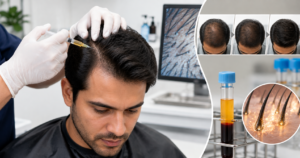
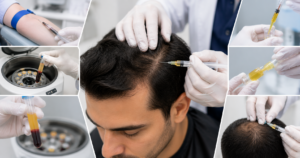
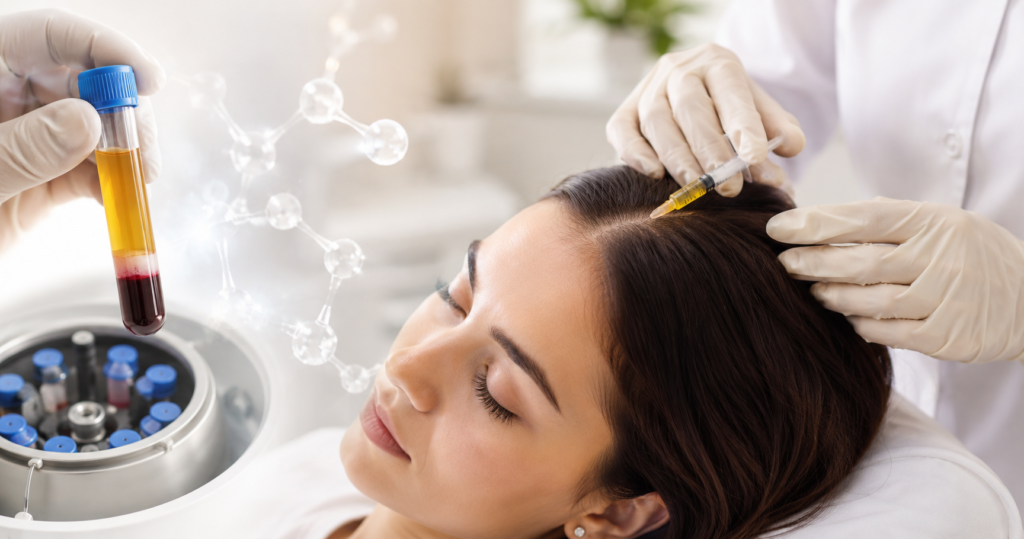
PRP, or platelet-rich plasma, uses a small sample of your own blood. After processing, the platelet-rich portion is injected into areas of the scalp affected by thinning. Platelets contain growth factors involved in tissue repair and regeneration. The Indian Association of Dermatologists, Venereologists & Leprologists describes PRP as a treatment intended to encourage hair growth by delivering these growth factors to the scalp.
Can PRP Reverse Early Hair Thinning?
PRP may improve hair density and thickness in some people, but it cannot guarantee complete reversal of hair loss. Research is most encouraging for androgenetic alopecia, commonly called male or female pattern hair loss. A 2024 systematic review of nine studies involving 291 participants found that several studies reported improvements in hair density and hair count with PRP. However, the researchers also noted differences between studies and limitations in evidence quality.
This distinction is important. PRP is better viewed as a treatment that may support weakened follicles rather than a way to create completely new follicles.
How Does PRP Work for Hair Thinning?
During PRP therapy, a small amount of blood is collected and processed to concentrate platelets. The prepared PRP is then injected into selected areas of the scalp.
The growth factors released by platelets may help create a more supportive environment around hair follicles. The goal is to encourage miniaturised or weakened follicles to produce thicker, healthier-looking hair.
However, the response depends on several factors, including the cause and stage of hair loss, follicle health, overall health, and the treatment protocol used.
Who May Benefit Most From PRP Hair Treatment?
PRP may be considered for people experiencing early to moderate hair thinning, particularly when hair follicles are still active.
It may be more appropriate when:
- Hair density has gradually reduced rather than disappearing completely.
- Pattern hair loss is suspected.
- Thinning is noticed relatively early.
- A dermatologist has assessed the scalp and identified suitable follicles.
- The person understands that PRP may require multiple sessions and follow-up.
PRP is not necessarily appropriate for every type of hair loss. Sudden shedding, scalp inflammation, nutritional deficiencies, thyroid-related problems, hormonal issues, or other medical causes need proper evaluation rather than simply starting PRP.
PRP Treatment for Hair Thinning: What Results Can You Expect?
One of the biggest misconceptions about PRP is expecting dramatic regrowth within a few weeks.
Hair growth is gradual. Clinical studies commonly evaluate outcomes over several months rather than days. Research has reported improvements in hair density at approximately three and six months in some patients, although results vary.
Another 2024 systematic review found that combining PRP with topical minoxidil produced better hair-density outcomes than minoxidil alone in the studies analysed, but the researchers rated the certainty of evidence as low to very low because of limitations in the available trials. This means realistic expectations are essential.
Noticing early hair thinning? Don’t wait until more scalp becomes visible. A dermatologist can assess the cause of your hair loss and determine whether PRP is suitable for you.
PRP Treatment in Chennai: Why Diagnosis Comes First
Searching for prp treatment in chennai can bring up many clinics and treatment packages, but choosing PRP based only on price or promotional claims may not be the best approach.
A proper consultation should first determine why your hair is thinning. Depending on your symptoms and examination, a dermatologist may evaluate your hair-loss pattern, scalp condition, medical history, medications, family history and, when appropriate, possible nutritional or hormonal factors.
This is particularly important because treating the wrong cause can delay effective management.
Is PRP Better Than Other Hair-Loss Treatments?
There is no single treatment that is best for everyone.
Depending on the diagnosis, dermatologists may consider treatments such as minoxidil, finasteride for appropriate patients, PRP, or combinations of treatments. PRP may be used as part of an overall hair-loss management plan rather than automatically replacing established treatments.
A 2025 systematic review comparing PRP with topical minoxidil found no significant difference in hair-density outcomes between the treatments, while patient satisfaction was higher with PRP in the analysed studies. However, the evidence should still be interpreted alongside individual diagnosis and treatment suitability.
The Bottom Line: Can PRP Stop Early Hair Thinning?
PRP can potentially improve hair density and support weakened follicles in selected people with early hair thinning, but it is not a guaranteed cure for hair loss.
The earlier the cause is identified, the more informed your treatment decision can be. If you are considering prp treatment for hair thinning in chennai, start with a dermatologist-led assessment instead of choosing a procedure solely because of an online claim or before-and-after photograph.
PRP may be a useful option for the right patient but the right diagnosis comes first.
Concerned about early hair thinning or increasing hair fall?
Get a professional scalp and hair-loss assessment in Chennai and understand whether PRP is appropriate for your condition.
Frequently Asked Questions About PRP Hair Treatment
1. Does PRP really work for hair thinning?
PRP can improve hair density in some people, particularly those with androgenetic alopecia. However, results vary, and current research has limitations. It should not be presented as a guaranteed cure.
2. How many PRP sessions are needed for hair loss?
The number of sessions depends on the individual’s diagnosis, degree of hair thinning and treatment plan. A dermatologist should determine the appropriate schedule rather than following a fixed package for everyone.
3. Is PRP painful for hair treatment?
PRP involves multiple small injections into the scalp, so some people may experience temporary discomfort, tenderness or mild swelling. Your clinician can explain available measures to make the procedure more comfortable.
4. How long does PRP take to show hair-growth results?
PRP does not produce instant results. Clinical studies generally assess changes over several months, with some studies reporting improvements in hair density around three to six months.
5. Is PRP better than minoxidil for hair loss?
Neither treatment is universally better for every person. Evidence comparing PRP and minoxidil shows broadly comparable hair-density outcomes in one recent meta-analysis, while combination treatment may provide additional benefit in some patients. Treatment should be selected according to the diagnosis and individual circumstances.